


Tinnitus in Veterans: Why It's the #1 VA Disability and What Helps at Home
Artillery, rifles, jet engines, generators. If you served, you probably know the sound. Here is why tinnitus is so common among veterans.

If you served, there's a good chance you brought something home that never shows up in photos: a constant ringing, hissing or buzzing in your ears. Tinnitus has been the most common service-connected disability in the VA's benefits reports for years, with nearly 3 million veterans receiving compensation for it.
Why it's so common in the military
- Weapons fire and explosions: a single unprotected blast can damage the inner ear.
- Constant engine noise: aircraft, ships, generators and vehicles, often for hours a day.
- Training ranges: years of qualifications, sometimes with poor or no hearing protection.
- Head and neck injuries: blast exposure and jaw or neck tension can also play a role.
Research in the general population backs this up: people exposed to loud noise at work have a much higher risk of tinnitus, and the risk grows with years of exposure.
What the VA offers
Veterans can get hearing evaluations, hearing aids when hearing loss is present, and tinnitus management programs at VA audiology clinics. If your tinnitus started or worsened during service, talk to a Veterans Service Officer about your benefits.
What helps at home
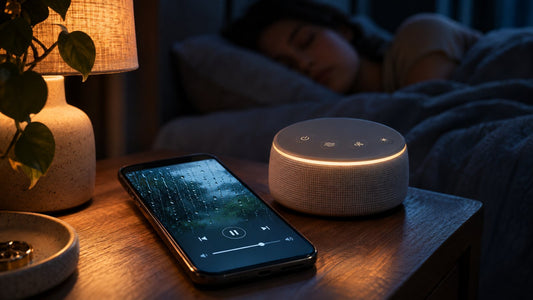
- Keep some sound in the room at night. Silence makes ringing stand out.
- Protect what you have. Hearing protection at the range, the job site and with power tools.
- Manage the stress side. Tinnitus and stress feed each other. Breathing exercises and CBT-based programs are among the best-studied tools.
- Release your jaw and neck at night. Many veterans clench without noticing.
- Build a routine you can stick to. Simple, repeatable and low-effort beats complicated.
Our founder spent 26 years next to stage speakers, not artillery, but the 2 a.m. part is the same. Here's his story.
Looking for a calmer bedtime routine?
Quell is a herbal patch you wear behind the ear at night, with a 60-second jaw and neck wind-down routine. Nothing to swallow, charge or switch on.
Sources
- Military.com: Tinnitus is the number one disability for veterans
- American Journal of Audiology (ASHA), 2025: tinnitus among veterans
- Bhatt JM, Lin HW, Bhattacharyya N. Prevalence, severity, exposures, and treatment patterns of tinnitus in the United States. JAMA Otolaryngol Head Neck Surg, 2016
This article is for general information and is not medical advice. If your tinnitus is sudden, in one ear only, pulses with your heartbeat, or comes with hearing loss, dizziness or pain, see a doctor promptly.
Keep reading
 caffeine
Caffeine, Alcohol, Salt or Stress? What Really Makes Tinnitus Worse
Should you quit coffee? Here's what research really says about common tinnitus triggers, and a simple way to find your own.
 ear patch
Do Tinnitus Patches Work? An Honest Look at Herbal Ear Patches
Herbal ear patches are everywhere online. Here is what's inside, what they can and can't do, and how people actually use them.
 sleep
White Noise, Fans and TV: Do Sleep Sounds Really Help Tinnitus?
Almost everyone with tinnitus has tried sleeping with the TV on. Here is what actually works with sound at night, and what to avoid.